Texans Must Sign Up at HealthCare.Gov by Dec. 15 for Insurance that Begins on Jan. 1
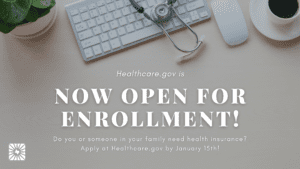
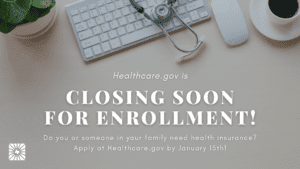
If you or your family need health insurance for 2022, you can sign up on HealthCare.Gov from November 1, 2021 to January 15, 2022. In order to have coverage that

If you or your family need health insurance for 2022, you can sign up on HealthCare.Gov from November 1, 2021 to January 15, 2022. In order to have coverage that

Open Enrollment at HealthCare.gov (the Health Insurance Marketplace) is open until January 15, 2022. In order to have coverage that begins on January 1st, consumers must enroll by December 15th.

Statement from the Southerners for Medicaid Expansion coalition on announcement of inclusion of a fix to the Medicaid coverage gap in President Biden’s Build Back Better framework: “For over 50

This press release was published in conjunction with our partners at Cover Texas Now. AUSTIN — Health care experts are urging Texans to sign up for insurance when HealthCare.Gov opens

If you or your family need health insurance for 2022, you can sign up on HealthCare.Gov from November 1, 2021 to January 15, 2022. In order to have coverage that

A record number of Texans and Americans are enrolled in the Health Insurance Marketplace (HealthCare.gov). What accounts for the spike in enrollment in 2021? This year Congress and the Biden

School districts that accept funding from the American Rescue Plan Act (ARPA) are required to agree to keep students safe and maintain equity and fiscal effort. As parents, students, and

This op-ed was originally featured in the Houston Chronicle. Despite billions of federal dollars on the table, strong statewide public support and the ravages of COVID-19, Texas legislators have refused to expand Medicaid, the federal-state

AUSTIN — Today, Texas organizations in the Cover Texas Now coalition praised the US House of Representatives for proposing a permanent and comprehensive solution to close the health coverage gap

AUSTIN — In the latest push for Medicaid Expansion in the 12 straggling states, nearly 200 advocacy organizations, representing constituencies across the states that have not expanded Medicaid, sent a