
Blog
Economic Issues for Texas Women 2020
At Every Texan, we were pleased to provide the research for the third edition of Economic Issues for Women in Texas, a new study by the Texas Women’s Foundation. This

At Every Texan, we were pleased to provide the research for the third edition of Economic Issues for Women in Texas, a new study by the Texas Women’s Foundation. This

Making sure every Texan has the tools they need to come through this health and economic crisis must be the top priority of state lawmakers as they make budget decisions.
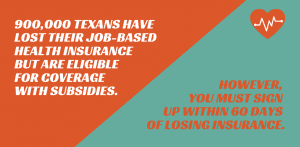
COVID-related job-losses are truly staggering. Texas’ unemployment rate for April was 12.8%,the worst on record, and up from 3.5% in January and February. Since mid-March, more than 2.2million Texans have

The COVID-19 pandemic and ensuing economic crisis have disproportionately harmed communities of color in Texas and underscored existing inequities. Black and Latino communities are dealing with higher rates of layoffs

In response to this week’s murder of George Floyd, and the recent racist, violent killings of Breonna Taylor and Ahmaud Arbery, Every Texan issued the following statement: “Texans can’t thrive if

As a working mother in Austin, I navigated child care waitlists (sometimes years long), paid 20% of my net salary towards daycare tuition (for 7 years), and frequently felt dissatisfied
Texas immigrants are an integral part of our community and our economy. During the COVID-19 crisis, however, Texas immigrants and undocumented workers have been systematically excluded from federal and state

State leaders have made progress over the past several weeks to address the public health and economic crisis caused by COVID-19. CPPP and our partners have advocated for urgent action
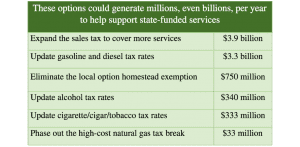
The COVID-19-induced crisis is reducing state revenue, while at the same time increasing the demand for public services. The final impact on Texans and the state economy is far from

On May 12, the U.S. Department of Agriculture approved for the Texas Health and Human Services Commission to access more than $1 billion in food benefits via the federal Pandemic