
Archives

This week the Trump Administration announced additional cuts to the federal Navigator program, a core support system that helps Texans make their way through applications for income-based discounts on health insurance, understand their options, and select a health care plan through the Affordable Care Act Marketplace.
The federal government announced a second round of dramatic cuts to U.S. Navigator grants, which they reduced from $62.5 million in 2016 to $36.8 million in 2017, and are now slashing to just $10 million.
Texas has the largest percentage and the highest number of uninsured residents of any state. The move to limit Navigator assistance makes it even more challenging for the over 4.5 million Texans lacking health insurance.
This latest move to target people whose jobs are to help Texans understand their options further underscores the Administration’s lack of concern about Americans’ access to affordable, comprehensive health care. It is a terrible idea for federal leaders to gut the systems that equip consumers with the information they need to make the best decisions for their families.
While not unexpected, these cuts to Navigators are deeply concerning. It is just the latest in a series of policies intended to weaken the individual health insurance market, make enrollment harder, and drive up premiums through administrative actions that don’t require Congressional approval. The Center for Public Policy Priorities has been committed to supporting and strengthening the Navigator program since its inception. We will continue to work with outreach and enrollment assisters, Community Health Centers, local governments, health care providers, fellow advocates, and insurers to sustain Texas’ crucially important network of people who assist Texans with their applications. We invite other concerned organizations to join in this work to prevent further losses of health care coverage among Texans.
CPPP is a co-host of the State of Texas Enrollment Conference in San Antonio September 20-21. Registration is now open for the free conference designed for outreach and enrollment assisters, and we will continue to raise funds to be able to offer transportation cost stipends for those in need. Now more than ever, we need to strengthen the ties across our Texas outreach, eligibility and enrollment networks.
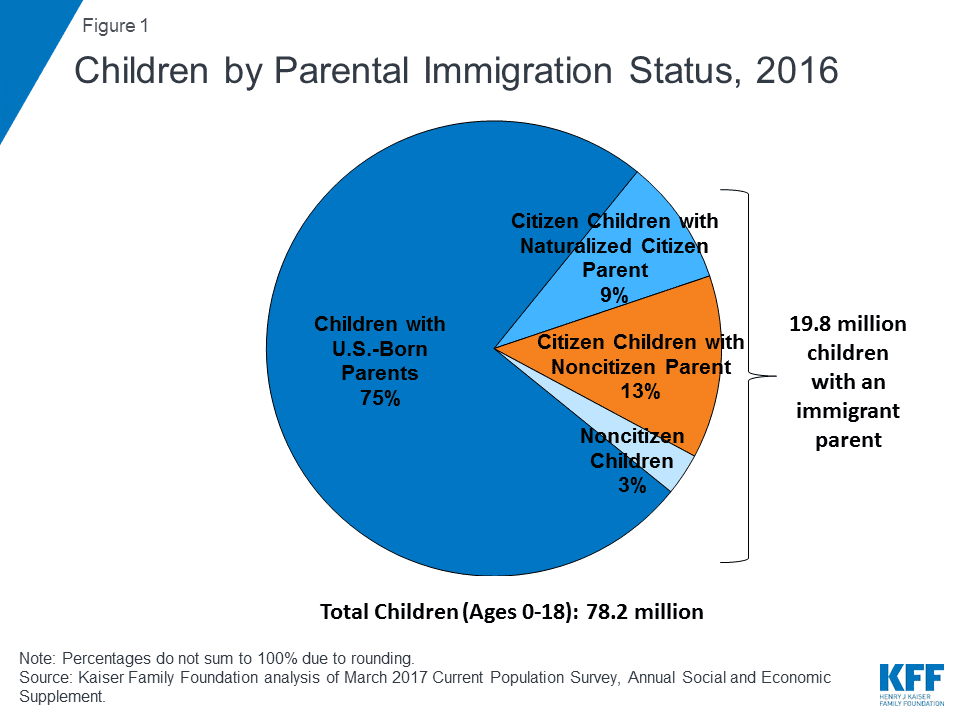

Nearly 2 Million Texans Could Lose Health Care, Food, and More under this Harsh Federal Proposal
Texas parents should never have to avoid getting food or medical care for their U.S. citizen children out of fear that accepting help might derail the parent’s ability to complete the path to legal immigration. But this harsh scenario could be a possibility because of a federal proposal relating to what’s called “Public Charge.”
The Trump Administration has directed the Department of Homeland Security (DHS) to propose a sweeping rule change that could put immigrants and their U.S. citizen children and relatives at risk of being denied a green card if members of their family use programs like Medicaid or food assistance. This callous rule could force millions of Texans—including U.S. citizens and current and prospective legal immigrants—to choose between meeting basic needs like health care and education and the ability of a family member to legally immigrate.
Neither the exact final rule wording nor the exact date of publication is known, but once the proposed rule is published, four kinds of prompt actions will be critical:
1) Submit written comments online opposing the rule (Online tools to submit your comments will be posted here as soon as the rule is published);
2) Public statements opposing the rule from organizations and public officials;
3) Sharing of stories and examples of how the rule will hurt children, schools, businesses, and communities, and shift costs to local governments; and
4) Education and support for Texas’ affected families.
Bookmark our Public Charge “Hub”: To support Texans in taking these actions, CPPP is providing the background material here, plus links to fact sheets and other resources.
Categories
Earned Paid Sick Days
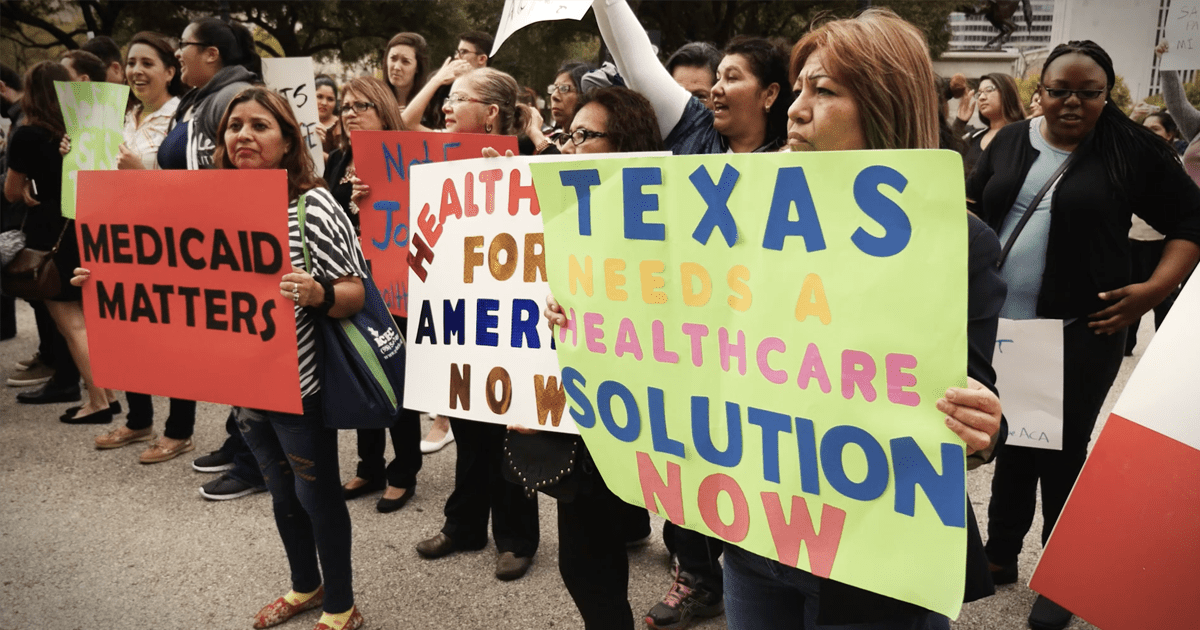
Current federal law requires states to ensure that Medicaid “services are available under the plan at least to the extent that such care and services are available to the general population in the geographic area.” Now, the Trump administration has issued a proposed rule that would roll back current fee-for-service Medicaid access policies, allowing Texas and 16 other states with over 85% of their Medicaid participants in Managed Care to drop the fee-for-service monitoring and reporting standard, and also exempt them from monitoring the impact of fee-for-service provider rate cuts.
We’re concerned that this proposed rule change will be followed with even more attempts to weaken federal oversight of access to Medicaid, including for Medicaid Managed Care. Most advocates for Texas Medicaid participants and the providers who care for them would strenuously disagree that private contractors can consistently be relied on to act to protect the medical and functional needs of children, pregnant women, adults with disabilities, and seniors, and ongoing state and federal oversight is needed.
The 2015 rule now in effect requires state Medicaid programs to do periodic checks on specific Medicaid services. States have to report to Health and Human Services (HHS) every three years.
People with disabilities, medically fragile children, and elderly people who receive long-term services and supports from Medicaid waivers outside of a Medicaid Managed Care premium may be left with gaps in federal access oversight if this rule eliminates fee-for-service access oversight.
You can submit comments opposing this rule change by submitting comments on the proposal by May 22, 2018 (the link to the proposed rule includes a green “Submit a formal comment” button).
The form to submit these comments will allow you to input simple comments in your own words, or to attach a document if you have longer comments. Here are key issues you can consider including in your comment:
- US HHS should not eliminate this oversight and monitoring of access to care in fee-for-service Medicaid. Instead, HHS should ensure that access to care every Medicaid beneficiary is equally protected regardless of whether they are served in fee-for-service, Medicaid Managed Care, or a Medicaid waiver;
- The proposed rule would allow Texas Medicaid to make cuts of any size to fee-for-service Medicaid provider rates without detailed projections or tracking of impact, and fee-for-service rate cuts in Texas have historically been mirrored with Medicaid Managed Care premium cuts.
- Texas Medicaid has experienced serious contractor failures and damaging provider rate cuts that reduce access to care, and the fact that we have outsourced care to Managed Care plans should not be used as justification to reduce oversight and monitoring;
- I am/we are concerned about access to care for all Medicaid participants, and especially for people with disabilities, medically fragile children, pregnant mothers, and frail elders.
Learn more about the proposed rule, including links to background and sample comments here.